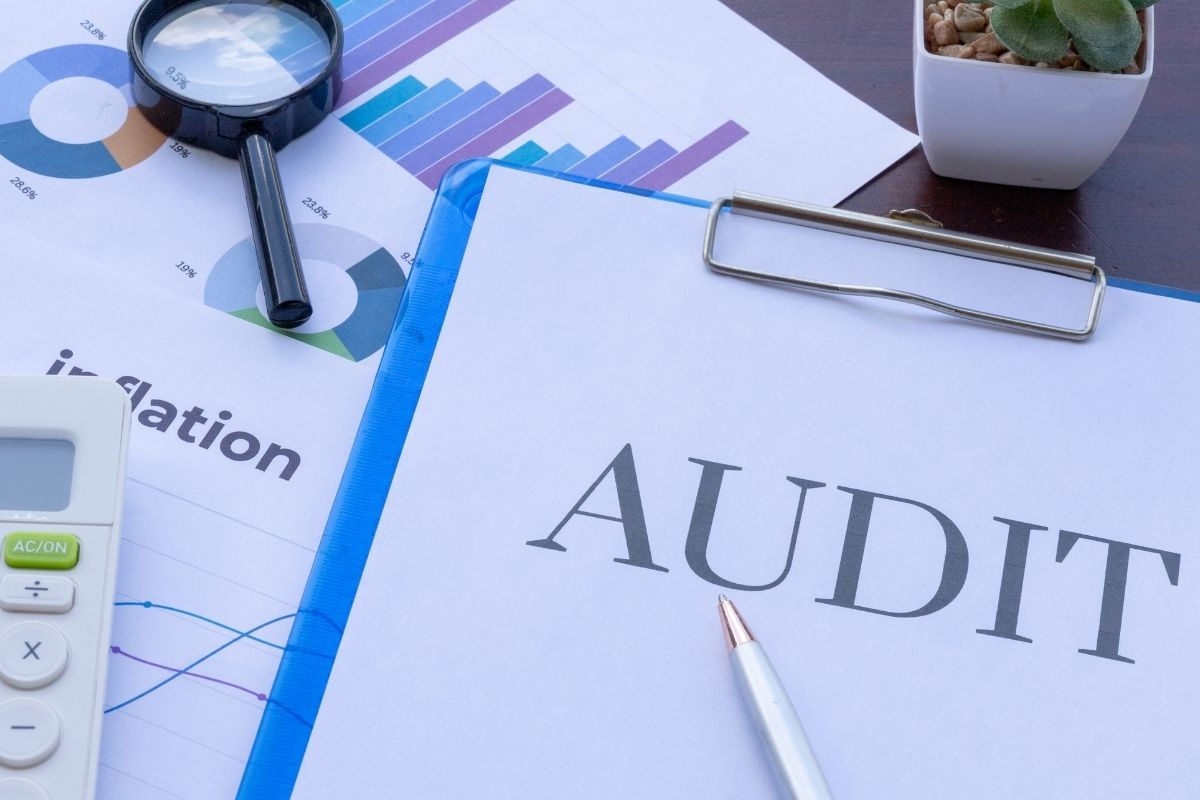
Internal audit helps enterprises control risks, optimize governance, and ensure transparent and efficient operations.
Process compliance review
Asset and resource control
Operational efficiency review
Data accuracy control
Fraud detection in business operations
Internal audit is an essential management tool that helps businesses control risks, protect assets, and ensure that operating processes are implemented as designed. In the context of rapid growth, business expansion, or deep delegation of authority, relying solely on accounting reports is no longer sufficient for management to make confident decisions.
Unlike the traditional mindset of “finding faults,” modern internal audit acts as a strategic partner, helping businesses identify hidden gaps in financial management, operations, and internal control systems, enabling proactive prevention rather than reactive problem-solving.
Why internal audit is becoming increasingly important for businesses
As businesses expand, transaction volumes grow rapidly, processes become more complex, and authority is decentralized across multiple management levels. This is also when risks of errors, fraud, and asset leakage emerge if there is no independent oversight mechanism.
Internal audit helps management answer critical questions: whether established procedures are being properly followed, whether financial data truly reflects actual operations, and whether existing control points are strong enough to prevent risks. Through internal audit, businesses not only detect deviations but also understand root causes in order to improve systems effectively.
Internal audit has become an indispensable activity for businesses
Internal audit is not just inspection, but a governance upgrade
A common misconception is viewing internal audit as a formal, periodic compliance check. In reality, effective internal audit focuses on evaluating whether governance systems remain aligned with current business strategies.
As markets change and business models evolve, outdated processes may create bottlenecks and hidden risks. Internal audit enables a comprehensive review, ensuring that financial and operational governance systems remain synchronized with the company’s growth strategy.
Core value delivered by internal audit services
Internal audit delivers long-term value rather than short-term gains. Businesses can significantly reduce risks of asset loss, violations, and costly corrective actions. More importantly, management gains the transparency needed to make decisions based on reliable data.
Through improvement recommendations, internal audit also helps optimize cross-departmental coordination, enhance operational efficiency, and build a culture of compliance across the organization. This forms a solid foundation for sustainable growth, especially during governance standardization or pre-fundraising phases.
Internal audit helps businesses significantly reduce risks of loss and non-compliance.
Internal audit helps businesses significantly reduce the risk of losses and misconduct
Professional internal audit service process
1. Audit planning and risk assessment Understanding the business model, organizational structure, and existing processes. Identifying key risk areas such as finance, procurement, sales, and human resources. Agreeing on audit scope, timeline, and resources with management.
2. Audit execution and evidence collection Comparing actual operations with approved policies and procedures. Conducting interviews with key personnel, reviewing documents, invoices, contracts, and system data.
3. Gap assessment and analysis Identifying deviations from procedures and analyzing root causes related to people, tools, or systems. Assessing residual risks and potential impact if issues remain unaddressed.
4. Reporting and advisory recommendations Clearly presenting findings and their severity. Proposing process improvements and new control mechanisms to prevent recurrence and enhance operational efficiency.
5. Post-audit follow-up Monitoring remediation progress, supporting training, and assisting with system adjustments to ensure recommendations are effectively implemented.
Internal audit integrated with financial management advisory
A key differentiator of modern internal audit services is their integration with overall financial management advisory. Each audit finding is analyzed in relation to cash flow, cost structure, resource efficiency, and strategic objectives.
Rather than merely pointing out issues, internal audit functions as part of a governance ecosystem, helping businesses strengthen internal controls, improve management reporting quality, and support more informed executive decision-making.
Frequently asked questions about internal audit
1. Does a company still need internal audit if it already has an accounting department? Yes. Accounting performs transaction recording, while internal audit provides independent oversight. Internal audit also reviews departments such as warehouse, sales, and HR, which accounting typically does not deeply monitor.
2. How is internal audit different from external audit? External audit focuses on verifying financial statements for third parties. Internal audit focuses on internal risk management and operational effectiveness, detecting issues early rather than at year-end.
3. Will internal audit disrupt daily operations? No. The audit process is carefully planned to minimize disruption, with most work performed through document and system reviews.
4. How is internal audit service pricing determined? Pricing depends on business size, number of branches, process complexity, and audit frequency. A detailed quotation is provided after preliminary assessment.
5. Is audit information strictly confidential? Yes. Confidentiality is a core professional principle and is legally guaranteed through contractual agreements.
6. How often should internal audit be conducted? Typically quarterly. For fast-growing businesses or those undergoing major changes, monthly audits may be appropriate.
7. Do you support process improvement after audit findings? Yes. We provide advisory support to redesign processes and establish stronger control points.
8. Can internal audit detect sophisticated financial fraud? Yes. Through professional expertise and data analytics techniques, unusual patterns and suspicious transactions can be identified.
9. How do you avoid creating a “fault-finding” mentality among employees? We position internal audit as a partner, emphasizing system improvement rather than personal blame, in coordination with management communication.
10. Who receives the internal audit report? Reports are typically submitted directly to the board of directors, supervisory board, or chief executive officer to ensure effective implementation.
When should a business implement internal audit?
Businesses should implement internal audit when expanding, operating multiple branches, or when management finds it difficult to control operations through reports alone. It is also a critical preparation step before fundraising, restructuring, or leadership transition.
Early implementation of internal audit helps businesses reduce remediation costs and avoid potential legal and financial risks.
Internal audit services CAF Global
Do not wait until errors turn into losses. Internal audit is the shield that helps your business detect risks early, optimize systems, and operate safely. Contact us today for a free initial internal audit assessment and a tailored risk evaluation report with a governance optimization roadmap suited to your business.
Internal audit helps enterprises control risks, optimize governance, and ensure transparent and efficient operations.